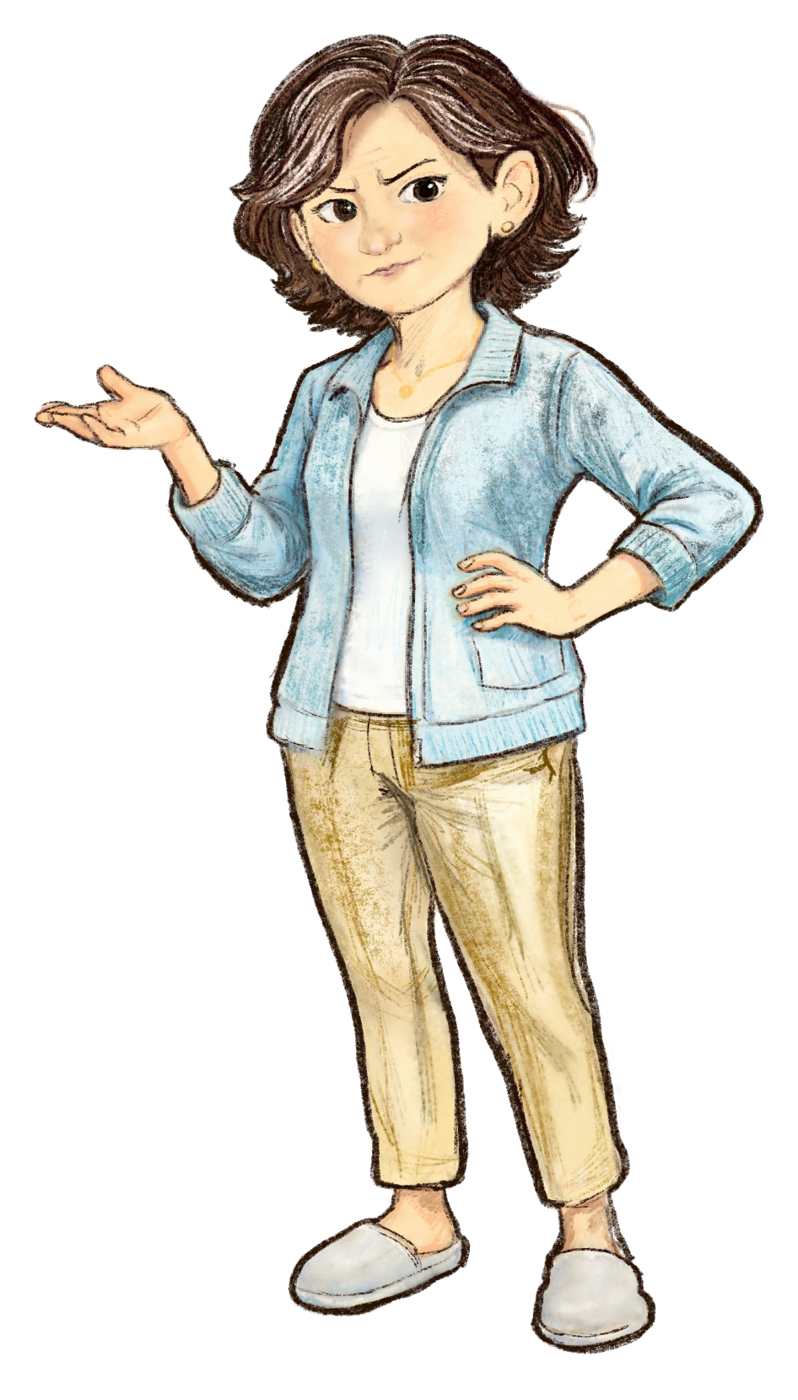
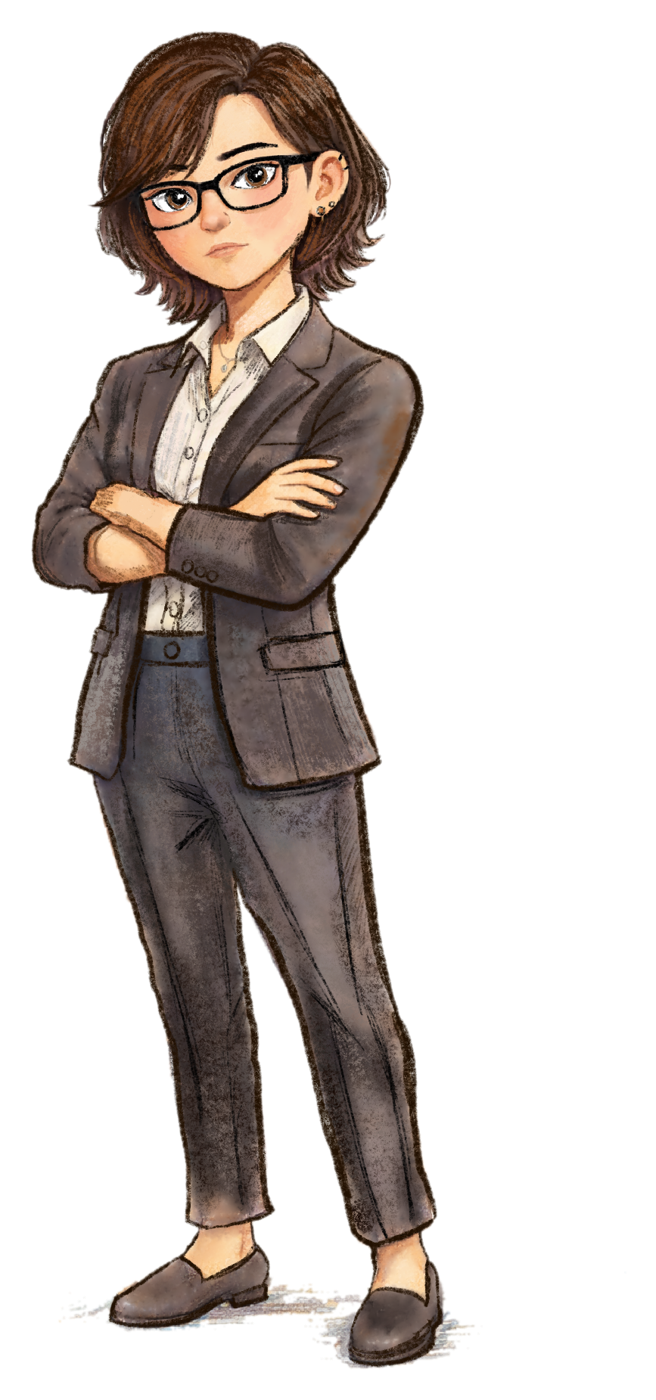
The project starts from Mark Wolynn’s idea that unprocessed trauma and stress can be passed down and shape the emotional patterns of the next generation. Parents born in the 1960s and 70s often grew up with national insecurity, material hardship and social turbulence. Survival became their default setting, and it carried over into how they raised their children.
Lindsay C. Gibson’s work on emotionally immature parents helped me name what I wanted to critique: love that depends on performance, especially in hyper-competitive East Asian settings. Research on parental conditional regard describes the mechanism. Good performance brings more love, approval and attention; poor performance brings withdrawal, coldness and devaluation. Children learn that their worth depends on meeting outside standards, and the result can be perfectionism, fear of mistakes, difficulty handling emotions, and anxiety or depression.
I call this “systemic ghosting.” The child is not neglected outright; she is simply not received. Her feelings are filtered out, as if the line between mother and daughter only has bandwidth for grades and trophies.
QuestionHow does survival-driven parenting pass trauma to the next generation as conditional love?
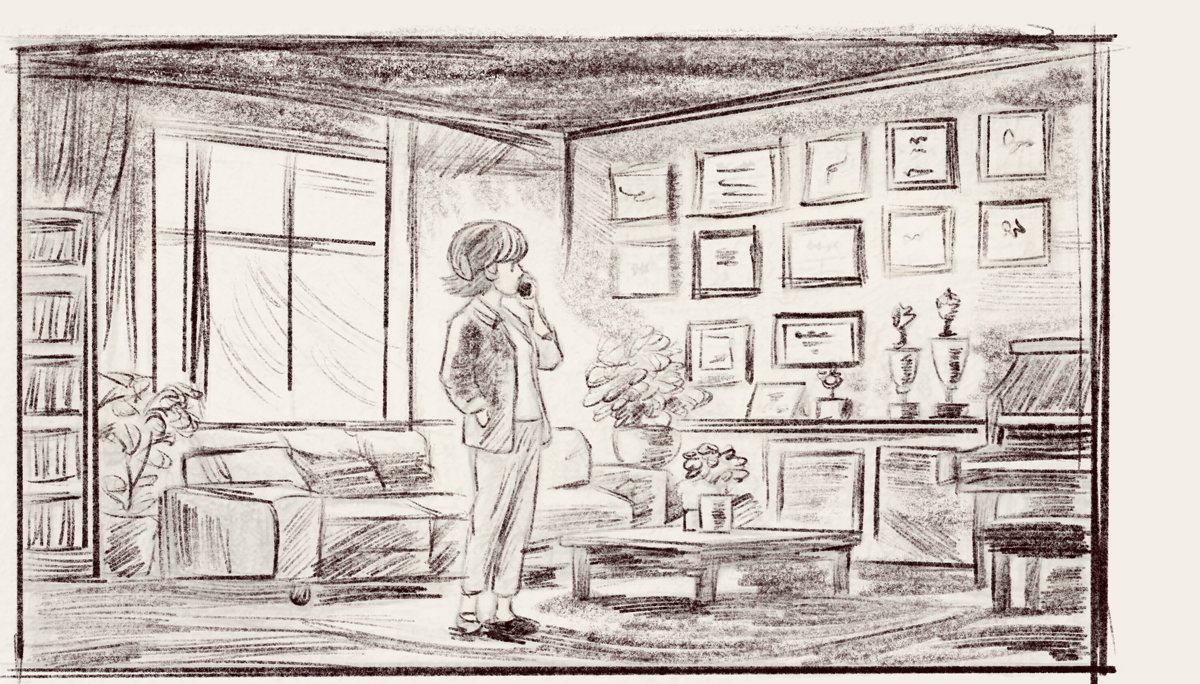
MethodReading on intergenerational trauma, emotionally immature parenting and parental conditional regard; mapping the survival imprint of the 1960s–70s generation into a system-logic flow and a psychological mechanism map; character profiles with data-style “input” and “output” priorities by age; storyboarding.
Key sources- Mark Wolynn, It Didn’t Start with You
- Lindsay C. Gibson, Adult Children of Emotionally Immature Parents
- Qian, Guan & Qin (2021), Effects of Parental Conditional Regard on Adolescents’ Internalizing Problems
From research to formThe family becomes software. The mother’s survival code runs as a legacy protocol: achievement renders in 4K, while the child’s feelings come through as corrupted data and lag. The interface is the argument, and the daughter’s missing face is the result.