Five women shared how emotional eating began for them. In every case it started when they were alone and under pressure from outside judgment: exams, parents’ expectations, a thesis that would not work. Most of them had met every expectation until then; the eating began when a task finally became hard and self-doubt switched on. Anxiety and stress were the most common triggers, and loneliness was the strongest for those living alone. The moments repeated across interviews: late at night, right after work, after an argument, when energy for self-control was used up.
Their bodies told the same story. All of them described a racing heart and hands and feet that could not settle, and all of them could tell this hunger apart from physical hunger: it came suddenly, any food would do, and it stopped only when they felt sick, not satisfied. An urge lasted from fifteen minutes to two hours. What helped was anything that kept both hands and mind busy, such as crafts, a game or a friend calling.
A clinician described how emotional eating can progress, and why the early stage matters: before it becomes a medical condition, therapy, mindfulness and stress management can still work. A review of existing apps and wearables found plenty of support for reflection after the fact, almost nothing for the ten minutes before an urge, little that works through the body, and nothing written for East Asian women’s cultural context.
QuestionHow can perfectionist East Asian women be supported in the minutes before stress turns into emotional eating?
MethodIn-depth interviews with five women about their first episodes, triggers, body signals and ways of coping; an interview with a clinician on how emotional eating progresses and is treated; a review of three apps and four wearable devices; personas and a journey map of an emotional-eating episode; literature on emotion regulation and attention shift.
Key sources- Gross, Emotion Regulation Model (1998)
- Fairburn & Harrison, on eating disorders
- Mehler & Brown (2015), on medical management
- Lock et al. (2015), on treatment priorities
- Reviewed: Bea, Eat Right Now, MEAL, Fitbit Sense 2, Empatica E4, Bite Counter, HAPIfork
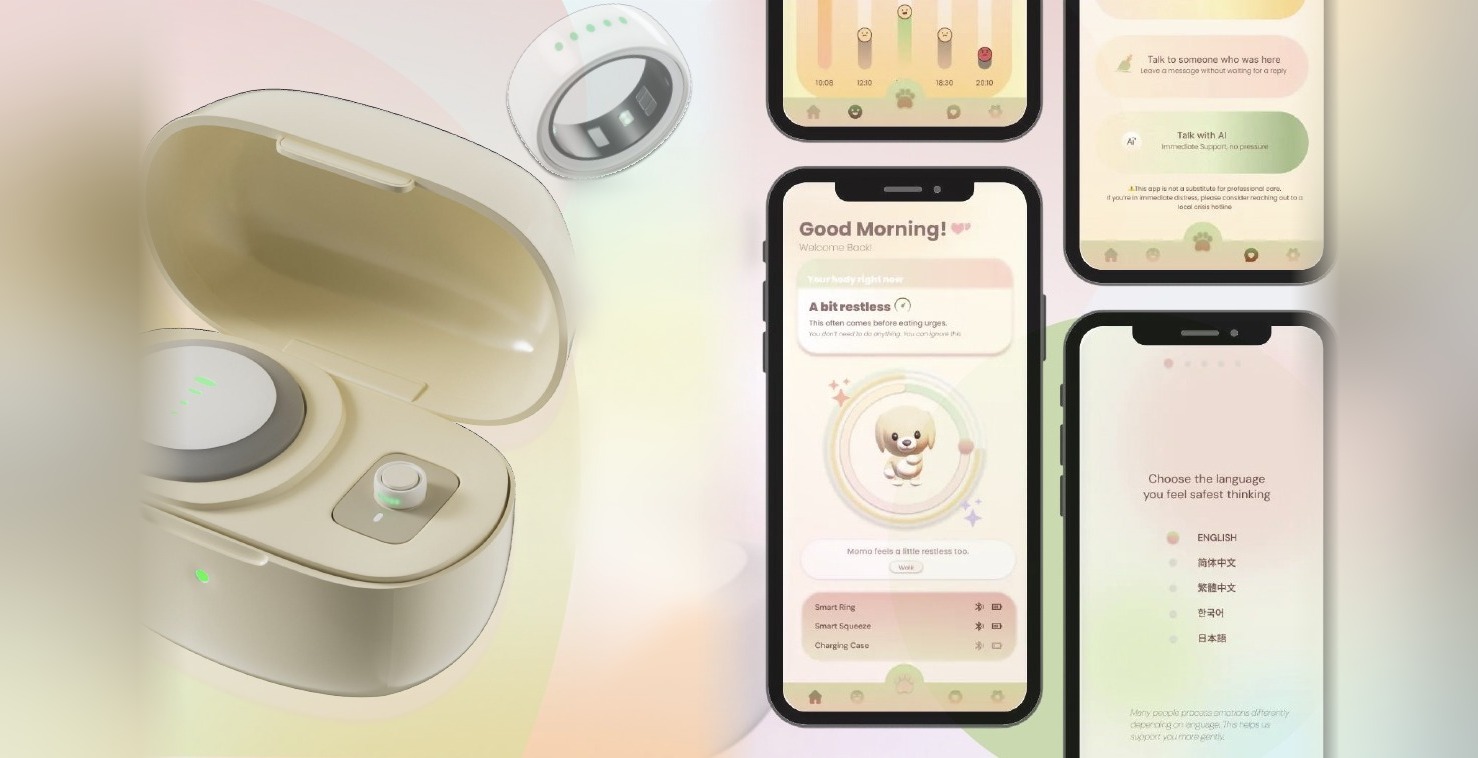
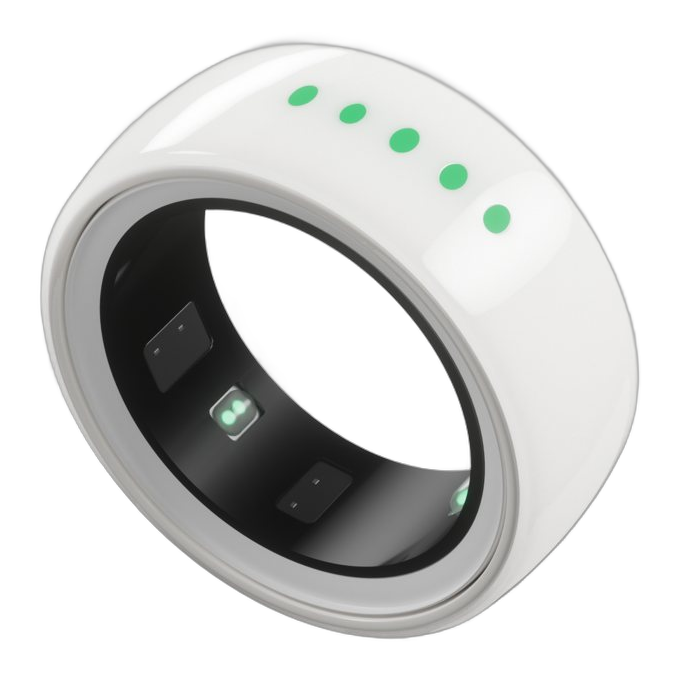
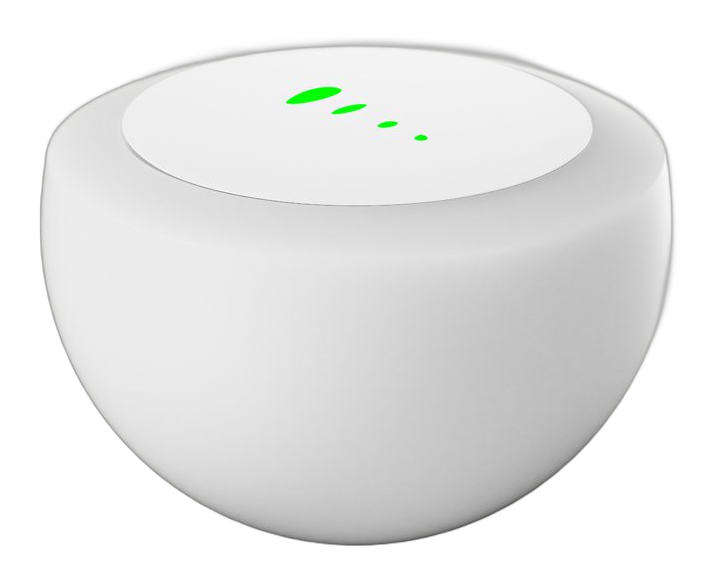
From research to formEvery interviewee described a racing heart and restless hands before an urge, and said that activities using both hands and mind helped. So the ring reads those signals in the first ten minutes, the press gives the hands a physical outlet, and the app replaces food as the reward.